Wondering why two Pasadena homes with similar square footage can feel completely different the moment you step inside? In Pasadena, architecture is not just about looks. It often shapes how you live in the home, what kind of upkeep you should expect, and what changes may be realistic after you buy. If you are shopping in this market, understanding the city’s most common home styles can help you narrow your search and make smarter decisions. Let’s dive in.
Why architecture matters in Pasadena
Pasadena is widely recognized as a major center of Southern California architecture. The city has designated more than 200 individual historic sites and 26 historic neighborhoods, which means style is often tied to neighborhood identity and, in some cases, to rules for exterior changes.
That matters because a home’s style can affect more than curb appeal. It can shape the floor plan, the materials you will maintain, and the type of renovation work that makes sense over time. For buyers, that makes architectural style a practical part of the decision, not just a personal preference.
Craftsman homes in Pasadena
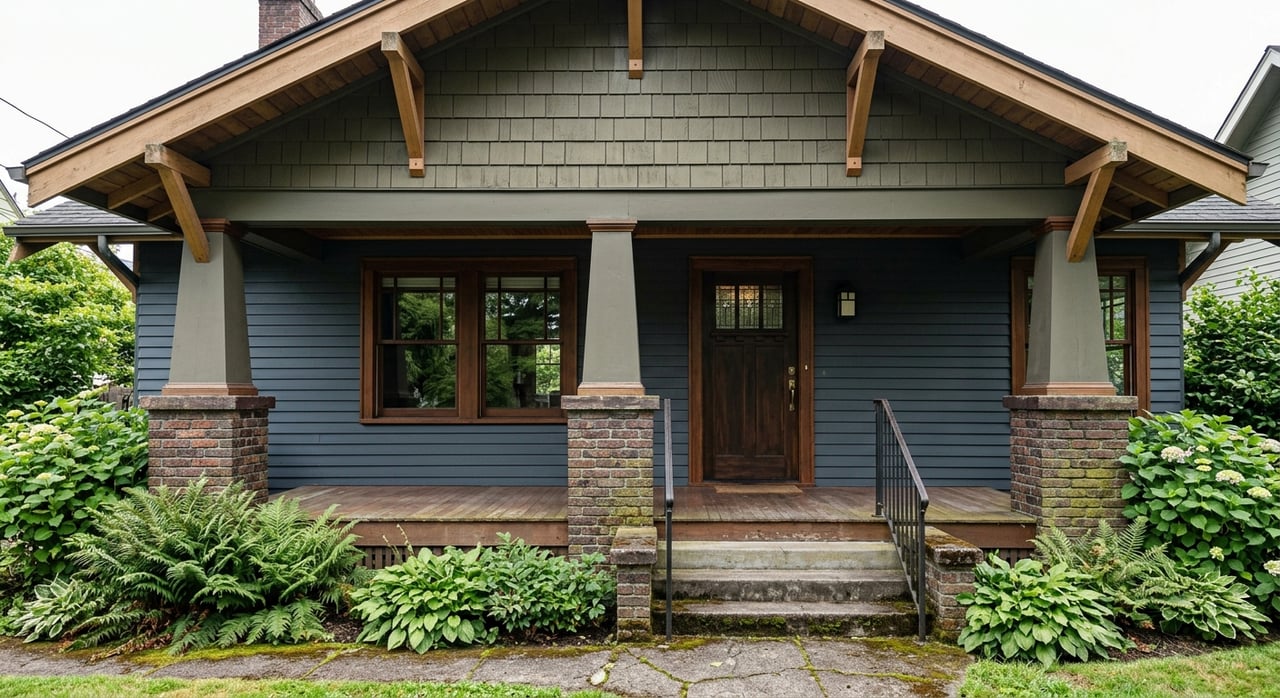
Craftsman homes are some of the most recognizable properties in Pasadena. In local terms, bungalow usually refers to the house form, while Craftsman refers to the Arts and Crafts design details layered onto that form.
These homes are closely tied to Pasadena’s early 20th-century identity. The city describes Craftsman bungalows as the house type most often associated with Pasadena’s Arts and Crafts period architecture.
What Craftsman features look like
Common details include:
- One- or one-and-one-half-story massing
- Low-pitched gabled roofs
- Wide eaves with exposed rafter tails
- Partial or wraparound porches
- Wood shingle or clapboard siding
- Stone or clinker-brick accents
- Grouped wood windows
- Occasional Japanese-influenced details
Many Pasadena examples were custom designed, while others came from pattern books or catalog kits. That helps explain why some streets feel coordinated without looking identical.
How Craftsman homes live
Craftsman homes often feel more compartmentalized than later mid-century homes. At the same time, many still offer practical one-floor living and a strong connection between the porch and interior spaces.
That layout reflects the way bungalow design fit Southern California’s mild climate. If you like defined rooms, a welcoming front porch, and a more handcrafted feel, this style may be a natural fit.
What buyers should watch for
With Craftsman homes, upkeep is often detail-driven. Wood trim, original windows, porch elements, and roof edges are all part of the home’s character, so maintenance tends to focus on preserving those features.
In Pasadena, intact Craftsman streetscapes also tend to stand out. Areas such as Bungalow Heaven are known for modest bungalows, open porches, detached rear garages, consistent setbacks, detached sidewalks, and street trees. That block-level consistency is a big part of why these homes make such a strong visual impression.
A well-known Pasadena reference point
If you want a classic example of Pasadena Craftsman design, The Gamble House is one of the city’s strongest reference points. It is a City of Pasadena-owned local, state, and national historic landmark and is widely recognized as a complete example of Greene and Greene’s Arts and Crafts work.
Spanish Revival homes in Pasadena
Spanish Colonial Revival, often called Spanish Revival, became especially prominent in Pasadena from 1918 to 1952. The style is closely tied to Southern California’s regional architectural identity.
These homes often feel warm, textured, and highly connected to outdoor living. Even when the footprint is not especially large, the layout can feel open because patios and courtyards are built into the experience.
What Spanish Revival features look like
Common details include:
- One- or two-story forms
- Rectangular, U-shaped, or irregular plans
- Low-pitched tile roofs or flat parapets
- Smooth stucco walls
- Recessed windows and doors
- Arched openings
- Wood casement windows
- Front or interior patios
- Decorative iron or classical ornament
These design elements create a look that is instantly recognizable in Southern California. For many buyers, that distinct style is a major draw.
How Spanish Revival homes live
Compared with Craftsman homes, Spanish Revival homes more often emphasize indoor-outdoor circulation. Patios, courtyards, and recessed openings can make the home feel private and open at the same time.
If you picture morning coffee in a courtyard or entertaining around a patio, this style may match your lifestyle well. The layout tends to make outdoor spaces feel like a true extension of the home.
What buyers should watch for
Spanish Revival homes rely on a specific material palette. Stucco, clay tile, wood casements, and ironwork all contribute to the style’s identity, so repairs and updates usually look best when they stay consistent with those original materials.
Buyers should also know that this style appears in more than single-family homes. Pasadena’s bungalow-court history shows that Spanish Colonial Revival was widely used in 1920s and early 1930s courtyard housing, so you may see it in smaller multifamily settings too.
Mid-century modern homes in Pasadena
Mid-century modern homes in Pasadena reflect the post-World War II building era, though the city also notes earlier 1930s precedents. These homes are known for openness, minimal ornament, and a strong connection to the Southern California setting.
For buyers who want brighter interiors and a more modern flow, mid-century homes often stand out right away. The design language tends to feel simple, clean, and highly intentional.
What mid-century features look like
Common details include:
- Open interior plans
- Broad glass walls
- Post-and-beam construction
- Flat or gabled roofs
- Wide eaves
- Minimal applied ornament
- Honest expression of structure and materials
- Textured surfaces
Pasadena’s local mid-century inventory also carries real architectural credibility. The city’s mid-century tour highlights work by architects such as Richard Neutra, Harwell Hamilton Harris, John Lautner, and Buff and Hensman.
How mid-century homes live
Open living, dining, and kitchen areas are a defining feature of the style. Large glass areas also tend to make the interior feel brighter and more connected to the yard.
If you prefer fewer visual barriers and a more seamless indoor-outdoor plan, this style may feel easier to live in day to day. It often appeals to buyers who want a layout that feels lighter and less segmented.
What buyers should watch for
With mid-century homes, the details that matter most are often the ones that look simplest. Large glass areas, seals, roof edges, and clean exterior surfaces all deserve close attention.
Because the style depends on line, proportion, and visible structure, updates usually work best when they stay visually light and consistent with the original materials. Homes that retain their roofline, glazing pattern, and post-and-beam character often read as more authentic.
Pasadena’s bungalow courts deserve attention
Pasadena is generally credited as the birthplace of the bungalow court. These properties typically feature small detached houses or duplexes arranged around a shared landscaped courtyard.
Early courts were often Craftsman in style, while later examples shifted toward Spanish Colonial Revival and other period-revival designs. If you are considering a smaller property or an investment-oriented purchase, understanding bungalow courts can give you useful context for a uniquely Pasadena housing type.
Historic designation can affect ownership
In Pasadena, age alone does not determine whether a home faces extra review. The city’s historic-resource survey database can identify properties, but survey inclusion by itself does not automatically create additional regulation.
Designated landmarks, landmark districts, National Register properties, and some other historic resources may face review for exterior alterations, additions, relocations, and demolitions. That is why it is important to understand not just the style of the home, but also its designation status before you buy.
What is usually reviewed
In Pasadena landmark and historic districts, exterior alterations and major new construction can require a Certificate of Appropriateness.
What is generally exempt
The city generally exempts:
- Interior changes
- Paint colors
- Landscaping
- Solar panels
- Routine maintenance
This distinction matters if you are planning future improvements. A buyer who wants to preserve original character may see that as a benefit, while a buyer planning major exterior changes should clarify the review process early.
How to think about resale and updates
In Pasadena, the safest long-term approach is usually to keep the core style readable. For a Craftsman home, that may mean preserving porch depth, wood details, and original window patterns. For a Spanish Revival home, it often means respecting patios, arches, stucco, and tile. For a mid-century home, it usually means maintaining the clarity of glass, structure, and roofline.
That does not mean a home cannot be updated. It means the strongest updates are usually the ones that work with the architecture instead of replacing it wholesale.
What this means for your home search
If you are buying in Pasadena, architectural style should be part of your checklist from the start. It can help you predict how a home will feel, what maintenance may look like, and whether the property aligns with your long-term plans.
It can also shape your financing and offer strategy. A home with unique architectural character, preservation considerations, or a very specific buyer audience may call for a more tailored approach from search to pre-approval to closing.
If you want help narrowing down the right fit, comparing property types, or matching your purchase plan with the right loan option, Waymon Hobdy can help you move through the process with clear guidance and one coordinated real estate and lending strategy.
FAQs
What architectural home style is most associated with Pasadena?
- Craftsman bungalows are the home type most often associated with Pasadena’s Arts and Crafts period, though Spanish Revival and mid-century modern homes are also important parts of the city’s housing stock.
What should Pasadena buyers know about historic designation?
- In Pasadena, designation matters more than age alone. Some designated properties may face review for exterior alterations, additions, relocations, and demolitions, while survey inclusion by itself does not automatically create extra regulation.
What features define a Pasadena Craftsman home?
- Common Pasadena Craftsman features include low-pitched gabled roofs, wide eaves with exposed rafter tails, porches, wood siding, grouped wood windows, and stone or clinker-brick accents.
What makes a Pasadena Spanish Revival home different from a Craftsman?
- Pasadena Spanish Revival homes usually emphasize stucco walls, tile roofs, arches, and patio or courtyard living, while Craftsman homes are more closely tied to porches, wood detailing, and a handcrafted look.
Why do Pasadena mid-century modern homes feel so different inside?
- Pasadena mid-century modern homes are known for open plans, broad glass walls, minimal ornament, and a stronger connection between interior spaces and the yard.
What is a bungalow court in Pasadena?
- A Pasadena bungalow court is a group of small detached houses or duplexes arranged around a shared landscaped courtyard, and the city is generally credited as the birthplace of this housing type.